Blended Learning for Expert Consultations on Early Digital Education in Childcare Centers (BLeFaKi)
(in collaboration with nifbe e.V., funded by the Federal Ministry of Education, Family Affairs, Senior Citizens, Women, and Youth (BMBFSFJ) under the guidelines for funding projects on the topic of “Early Education in a Digital World” within the Empirical Education Research framework program, FKZ 01NV2504A (March 1, 2026–February 28, 2029)
The BMBFSFJ project BLeFaKi focuses on developing a blended learning concept for early digital education in early childhood centers (KiTa) for KiTa specialist advisors based on empirical findings. Through a nationwide quantitative online questionnaire survey of specialist advisors, group discussions with specialists, and guided interviews with representatives of childcare providers, as well as a document analysis of providers’ concepts regarding media education and specialist consulting, training needs are identified and supplemented by existing scientific findings and training concepts.
Based on this, a blended learning concept will be developed consisting of self-paced e-learning—including instructional videos—as well as accompanying in-person and exchange sessions for professional consultants. This concept will be tested and evaluated in a pilot phase, taking into account different provider structures, institutional conditions, and professional and organizational frameworks. Following evaluation and adaptation, the blended learning concept will be made available nationwide as an OER and offered permanently free of charge on the nifbe’s Moodle platform.
The Project in Detail
What demands does digital media education in early childhood centers place on professionals, institutions, and specialist consultants?
Children’s lives are increasingly shaped by digital technology, meaning that early childhood centers play a central role in early childhood media education alongside the family. The topic of digital media education raises uncertainties regarding pedagogical practice. Various stakeholders—such as parents, professionals, and operating agencies—often have differing understandings of what media education entails and how it should be addressed in daily life and in educational practice. Systematically integrating this area of education depends on the staff’s understanding of media literacy and education, the conceptual orientation of the centers, and the framework conditions at the provider level. Specialists advising child care centers play a key mediating role here by providing long-term support to teams, helping them develop their skills, and advising providers and center directors. So far, however, they have received little attention in systematic professional development initiatives focused on digital education. This is precisely where the BLeFaKi project comes in.
What theoretical understanding of media education underlies the project?
The project is based on Kutscher’s (2019) understanding of media education (see Figure 1).
Media education is not limited solely to the use of digital media in educational practice. Rather, there are six additional elements that constitute a comprehensive understanding of media education. According to Kutscher (2019, p. 34), it is particularly important “to engage in a nuanced examination of the possibilities and limitations of digitized formats and framework conditions from a subject-specific perspective, and to reflect on where digital media already play a role in everyday life, where they should play a role based on subject-specific considerations, how the direct and indirect implications of digitization that are already present in everyday life require pedagogical guidance, and to what extent they affect, challenge, or promote professional standards.”
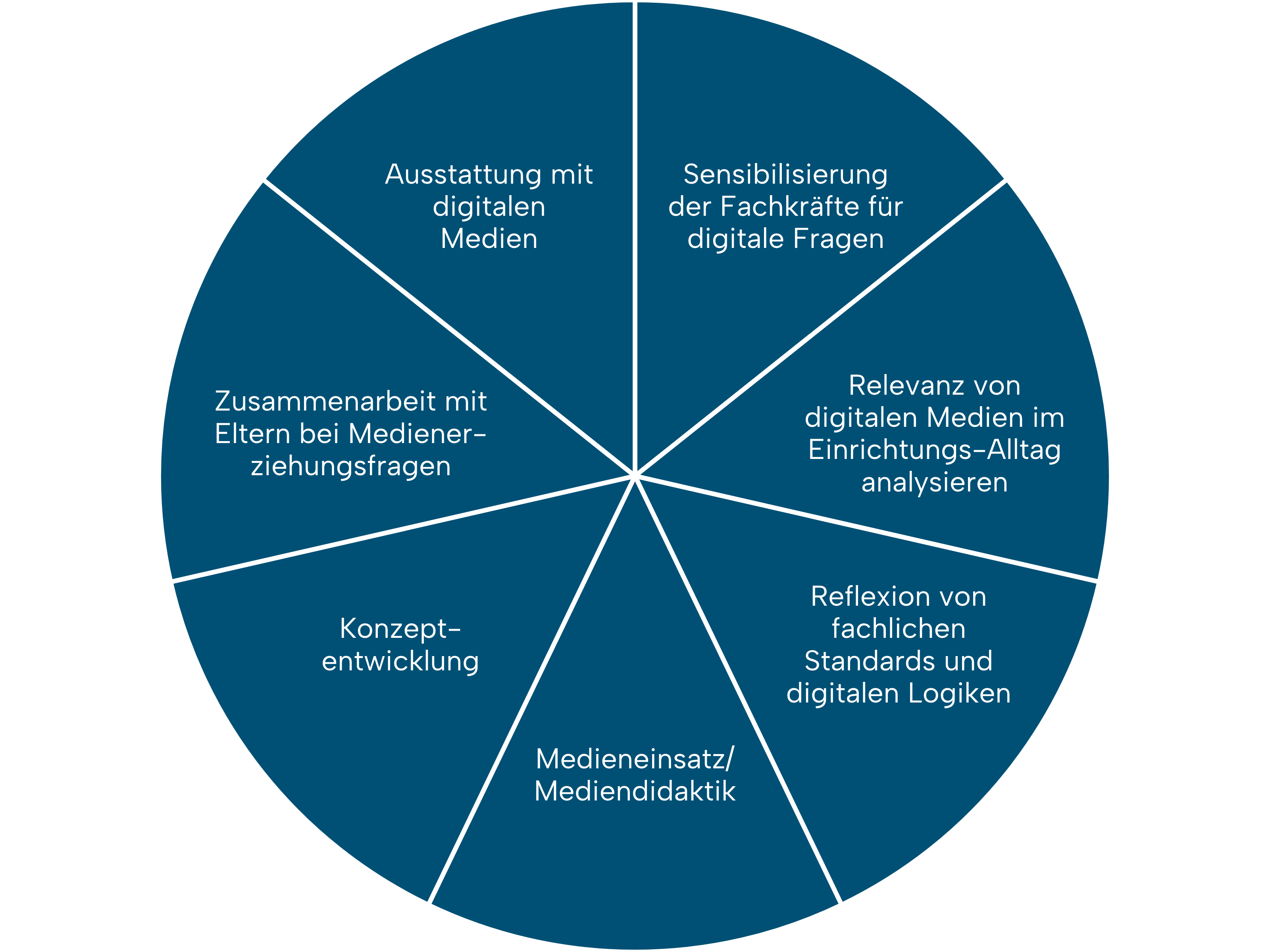
Figure 1. Kutscher, N. (2019). Phenomena and Discourses of Digitization. In: Sozialmagazin, 3-4, pp. 28–34.
What approach does the project take?
The project examines how subject-matter consultants can support the integration of digital media education at the organizational level, the professional development of subject-matter experts and leadership, and the further development of institutional culture, team dynamics, and organizational structure. This raises two central questions: what training needs do the consultants themselves have to fulfill this role, and how should corresponding training programs for specialist consultants be designed in terms of content and structure?
To achieve this, the project focuses specifically on two interrelated levels. At the individual level, subject matter consultants are to be trained to support staff in raising awareness of digital media education, to initiate reflection processes within teams, and to work on developing their professional attitudes. At the structural level, the focus is on supporting assessments of current conditions and the surrounding environment in facilities, training teams to collaborate with parents, and (co-)developing media concepts at both the facility and provider levels. Thus, the project addresses not only the training of individuals but also organizational development and the professionalization of the entire child care system.
Based on the empirical findings, a blended-learning program is being developed and tested to provide practical support for this integration—from team and leadership work to strategic concept development at the provider level. The project is supported by an advisory board of experts from the fields of politics, academia, and practice in North Rhine-Westphalia and Lower Saxony.
Study Design and Methodological Approach
The first phase of the project involves reviewing the current state of research on digital media education and qualification concepts, expert consulting, organizational development, and provider professionalization. To answer the research questions, Phase 2 will implement a mixed-methods approach with a qualitative-quantitative design to gain comprehensive insight into the practical situation. This will include, first, a nationwide quantitative survey of subject matter experts regarding their experiences, competencies, and needs in their personal and professional lives, which is expected to be conducted in January 2027. This will be supplemented by guided interviews with representatives of implementing organizations in North Rhine-Westphalia and Lower Saxony, as well as focus group discussions with specialist advisors based in those states, which are expected to take place in March 2026, and by document analyses of the organizations’ specialized counseling and media education concepts.
Based on this data, Phase 3 will involve the development of a blended-learning program designed to empower specialist advisors to integrate digital education at various levels within the field of child day care. For the technical implementation of the e-learning component, the project is collaborating with the Institute for Digital Pedagogy (InDiPaed) in Berlin, and for testing the in-person component, with Blickwechsel e.V. The resulting concept will then be tested in a professional development program with 15 participants at each of two locations, taking into account different provider structures and institutional frameworks.
Finally, Phase 4 will involve the evaluation and publication of the blended-learning concept: It will be made freely available to early childhood education consultants specializing in digital media education as an Open Educational Resource (OER) via the nifbe e.V. Moodle platform.
The project phases:

The project flyer provides a concise overview of the entire project, including all key information.
Project Team
The project is being carried out under the direction of Prof. Dr. Nadia Kutscher (University of Cologne) in cooperation with nifbe e.V. (Lower Saxony Institute for Early Childhood Education and Development).
You can find more information about the project team here.
Contact
Email: blefaki-projekt@uni-koeln.de
Phone number: 0221-47076212
Privacy
The protection of personal data is our top priority. All data provided and collected is used exclusively by the research team and processed in compliance with applicable data protection regulations (GDPR). The published results do not allow for the identification of individual persons or institutions. Further information can be found in our privacy policy.