Faculty of Human Sciences: Focusing on People
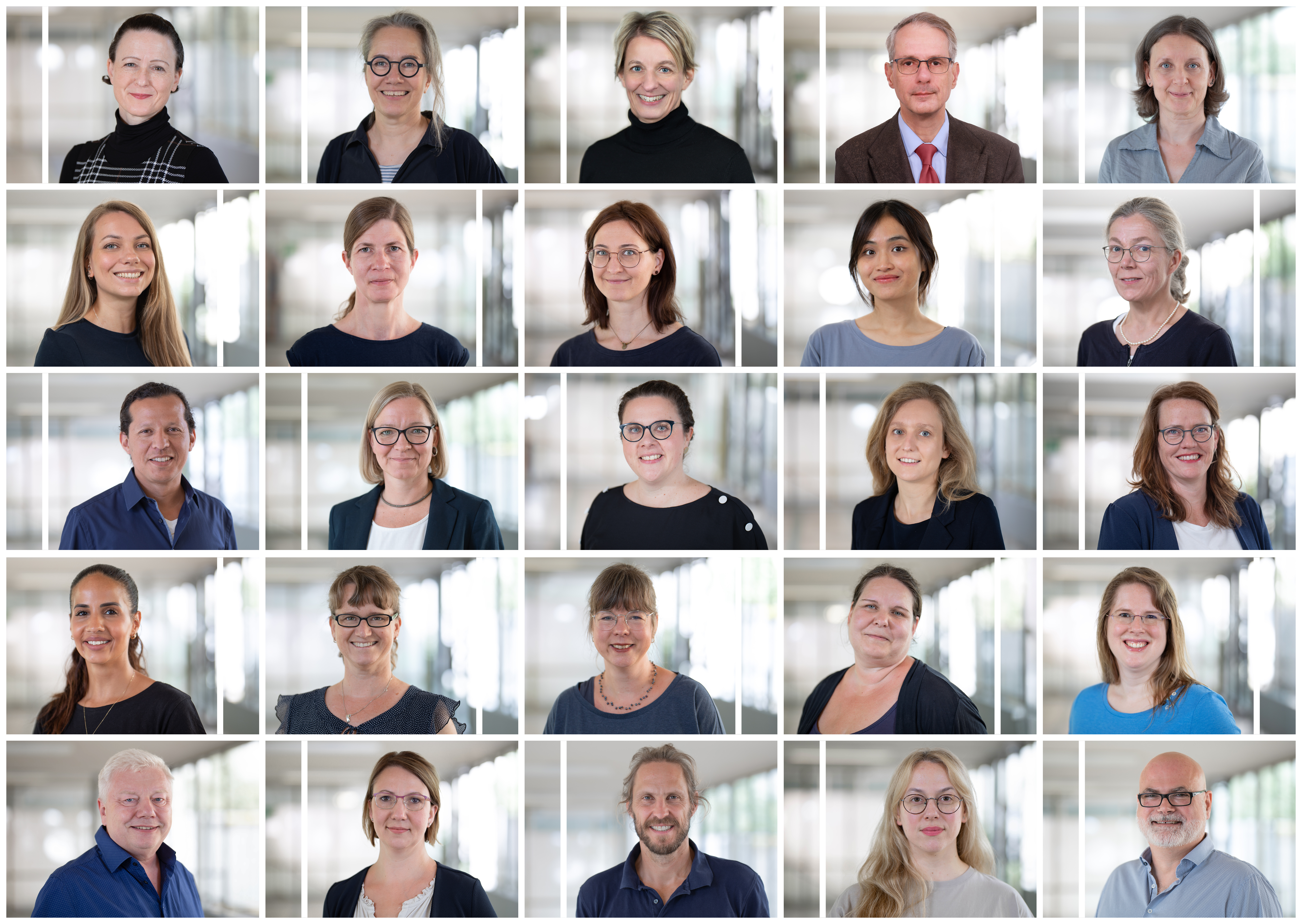
The faculty is divided into four departments: Education and Social Sciences, Psychology, Special Education and Rehabilitation, and Art and Music, comprising a total of five institutes and two departments. The common thread linking the subjects is the human being in its various contexts. Questions regarding education and upbringing, human development and behavior, and their integration into social contexts form the central framework for the diverse content in research and teaching.
- The research and teaching priorities of the Department of Educational and Social Sciences encompass educational philosophy and pedagogical anthropology, life-span pedagogy (early childhood, school-age, adult and senior education), international comparative, historical, and intercultural educational research, the sociology of education and culture, the economics of education and political education, as well as general didactics and school pedagogy for teacher training programs, media education, and school research.
- The Department of Psychology offers a research and teaching profile in the areas of educational and instructional research, social cognitive and cognitive sciences, media and communication psychology, and clinical psychology.
- The Department of Special Education and Rehabilitation focuses on the development, education, and upbringing, as well as the support and rehabilitation of individuals with specific educational needs. In research and teaching, the focus is not only on the educational support of children with specific needs but also on the entire lifespan of people with disabilities.
- The Department of Art and Music focuses primarily on teacher education. Here, the subjects of aesthetic education, art, and music are represented in both research and teaching. In the field of art, the focus is on questions of art theory and aesthetics, as well as cultural theory, cultural history, media studies, and intercultural studies. In the field of music, intercultural music education, musicological urban research, musical folklore, and teaching research constitute key areas. The area of aesthetic education within the teacher training program for elementary schools and special education is supported by a collaboration between the disciplines of art and music and the Movement Education division. The interdisciplinary orientation aims for a fundamentally cross-disciplinary understanding of aesthetic educational processes. In all three subjects, practical studies are offered in addition to the academic focus. Furthermore, the department offers two specialized degree programs: the interdisciplinary program Intermedia—Media Education, Media Design, and Media Culture, and the program in Music Education, which encompasses music pedagogy, practical music, and musicology.
Teaching at the Faculty of Human Sciences is designed with research contexts in mind and is oriented toward the various practical fields of the degree programs. There are close ties to the relevant fields of practice and application, thereby ensuring the integration of theory and practice in the application-oriented degree programs. At the same time, the faculty strives to provide students with opportunities to pursue research interests and ideas that arise during their studies, not only in doctoral programs but also during their undergraduate studies. A key focus of the faculty is teacher education. The Faculty of Human Sciences offers the educational science component of all teacher training programs at the University of Cologne—with the exception of teacher training for vocational colleges—as well as the social science and arts subjects for teacher training in elementary, secondary, and junior high schools, and teacher training in special education. Another key focus—replacing the former diploma programs—is the more research-oriented bachelor’s and master’s programs in education and social sciences, psychology, and rehabilitation sciences.
The Faculty of Human Sciences in Numbers |
|
| Professorships: 74(2024)
Degree programs: 40 (2024)
Students: 5,210(2024)
Graduates: 1,383 (2024)
Doctoral degrees: 38 (2024) External funding: 9.4 million euros (2024) |
Departments: 4
Graduate schools: 1
Support services: 6
Research institutes: 8
Institutions for equal opportunity: 2
|